Pest Control: Successful Strategies to Secure Your Household and Firm
Pest Control: Valuable Methods to Secure Your Residence and Company
Opening to Pest Control
Pest Control encompasses the supervision or coordination of organisms identified as pests – life forms that unfavorably alter people's behaviors or habitats. In New Jersey, where numerous ecosystems join suburban and urban progress, powerful Pest Control is not solely a indulgence but a must-have for upholding clean dwelling and working surroundings. From the far-reaching communities of Monmouth County to the unified residential areas of Matawan, pest outbreaks can plague any individual, irrespective of how immaculate or properly cared for their property may be.
The significance of applying potent Pest Control plans can't be overemphasized. For residents, pests can destroy foundational durability, pollute food reserves, and introduce major health threats. Companies confront these similar hurdles, with the additional apprehension of image impairment and probable deprivation of consumers if problems are uncovered. Common pests in New Jersey comprise small mammals like rats and mice, numerous bugs such as ants, cockroaches, and bed bugs, and the remarkably ruinous termites that can quietly compromise a building's underpinning.
The Reason Pest Control Matters
Health Dangers of Pest Control Chemicals
Various pests contain and communicate illnesses that can afflict persons and pets. Rodents are recognized transmitters of hantavirus, salmonella, and leptospirosis. Cockroaches can induce asthma attacks and sensitized reactions, particularly in little ones. Ticks, common in New Jersey's wooded regions, are recognized for distributing Lyme disease, while mosquitoes can spread West Nile virus and Eastern Equine Encephalitis. Professional Pest Control supports reduce these health threats by eliminating the source of these prospective disease agents.
House Deterioration in Pest Control
The framework destruction generated by pests can be considerable and pricey. Termites singly create over $5 billion in building impairment every year around the United States, with New Jersey homes being especially exposed due to the state's climate. Rodents can bite through electrical circuitry, generating fire threats, while their constant gnawing can impair weatherproofing, pipes, and wooden structural components. Even apparently benign ants can undermine timber structures if neglected untreated, notably carpenter ants which are widespread in Monmouth County.
Budgetary Consequences of Pest Control Services
Avoiding pest invasions can generate important budgetary effects. What could start as a trivial outbreak necessitating straightforward processing can speedily increase into a serious predicament requiring exhaustive treatment. For businesses, notably those in the food business or hospitality industries, pest problems can generate inadequate health checks, brief cessations, and long-term destruction to image and patron faith. Putting money in regular Pest Control is not only about immediate ease—it's a sustained budgetary safety measure.
Pest Control: Common Household and Commercial Pests
Small Mammals (Rats and Mice)
When it concerns identifying rodent outbreaks in your New Jersey home, attentiveness is critical. You might spot waste near food supplies, in compartments, or below sinks. Bite marks on food enclosures, wooden materials, and electrical lines are telltale indicators of their occupancy. At after dark, you may distinguish scrabbling commotion in partitions, overhead surfaces, or underneath floors as these evening organisms grow active. If you discover dwellings formed from torn stationery, fabric, or dehumidified plant matter, that's a evident symptom rodents have constructed themselves settled. Fatty rub marks next to baseboards and partitions appear as rodents utilize the equivalent paths regularly, while your pets may exhibit odd actions such as yelping or scratching at spots underneath instruments or furniture where rodents shelter.
Rats and mice in New Jersey homes and enterprises constitute numerous threats outside just annoyance. They can adulterate food and making zones with infectious agents existing in their urine and excrement. Their unending requirement to gnaw can ruin belongings, especially cords, which causes fire perils. In Matawan and encircling zones, the Norway rat and house mouse are notably problematic, thriving in both metropolitan and bedroom community areas. Successful Pest Control steps are vital to handle these harmful encroachers.
Bugs (Ants, Cockroaches, Bed Bugs)
Invertebrate incursions present themselves in multiple ways depending on the variety. Ant difficulties get noticeable when you observe obvious ant trails pointing to food sources, or when you locate minor accumulations of earth or wood particles created by carpenter ants. Cockroach incursions often show themselves through dark pellets akin to coffee grounds or black pepper, a unique moldy smell that permeates invaded spots, and the occurrence of egg shells in obscured corners. Bed bug predicaments show up as rust-colored marks on mattresses and furniture, shed skins near reposing locations, small blood smudges on sheets, and uncomfortable red welts on skin ordinarily placed in a series or assembly.
Insects symbolize the most assorted classification of pests in New Jersey. Cockroaches can set off asthma and sensitivities while distributing various infectious agents. Bed bugs, while not disease transmitters, bring about significant soreness, sleep interruption, and mental suffering. Particular ant kinds, like carpenter ants regular in Monmouth County's woodland locations, can create structural harm similar to termites through time. Skilled Pest Control providers can determine specific insect kinds and put in place specific remedy tactics that manage the particular mannerisms and fragilities of each pest.
Termites
Detecting termite activity initially entails grasping the delicate markers of their existence. You could see shed wings near apertures and entrances after swarmers have identified a mate and set up a new colony. Mud tubes on outer partitions, lumber beams, or in crawl areas work as sheltered highways for these destructive critters. Wood that reverberates vacant when knocked indicates termites have been feeding from inside. Entrances and casements that abruptly stick may demonstrate twisting from termite injury, while fissured or inflating paint reminiscent of water impairment often masks termite activity under. Uncovering frass—termite waste looking like small wood-colored bits—delivers another verification of their undesired occurrence.
Termites pose perhaps the most considerable framework threat within all standard pests. In New Jersey, the Eastern subterranean termite is frequent and especially ruinous. These organisms can remain unseen for eras while generating considerable injury to wood constructional components. Homes in Matawan and throughout Monmouth County, particularly older dwellings, are vulnerable to termite problems. The standard charge of term pest control.
Pest Control Safety Aspects
Secure Utilization of Chemicals and Chemicals in Pest Control
While chemicals grow necessary in your pest control method, focusing on safety demands focus to various crucial procedures that protect people, animals, and the ecosystem. Consistently read and adhere to label guidelines exactly, as these legal instructions demonstrate extensive testing and regulatory evaluation designed to decrease risks. Apply the least effective volume of product to attain control while reducing unneeded product introduction into your residential environment. Employ chemicals only in spaces designated on the product instructions, eliminating unauthorized applications that may cause unforeseen risks or reduce efficacy. Wear suitable safeguarding apparatus as designated by product producers to stop direct contact during use. Keep substances in their original packages with instructions preserved to retain access to safety information and prevent mix-ups. Record thorough notes of all applications, writing down chemicals used, dilution levels, spots treated, and dates of treatment for later consultation. Permit adequate drying and ventilation before reoccupying applied areas, particularly important in New Jersey's climate where dampness can influence setting times. Evaluate safer options when efficient, as progress in pest management have developed many less-hazardous choices that maintain efficacy while minimizing likely risks.
Safeguarding Animals and Kids During Pest Control Applications
Specific safeguards become crucial when executing pest control measures in residences with vulnerable household individuals. Move companions during treatment and until spaces are dry to eliminate direct exposure with moist chemicals or vapors that could produce harmful reactions. Protect or remove pet meals, drinking dishes, and playthings before application to stop exposure that could cause accidental consumption. Place children's playthings away from treatment zones, particularly objects that small children might put in their lips. Sanitize and sanitize food making surfaces after treatment, even if they weren't specifically treated, to remove any leftovers that might have gathered during application. Keep kids distant from treated areas for the suggested duration, lengthening this period for mobile infants who have greater immediate exposure with surfaces and low surfaces. Consider animal-friendly and child-safe substance options when obtainable, as many current formulations aim at particular pest anatomy while limiting mammalian harm. Most crucially, inform expert specialists about the existence of pets, children, or expecting home occupants before they create service approaches, permitting them to change approaches and chemical selections accordingly.
Regulatory Guidelines and Adherence with Pest Control
Pest control in New Jersey functions within a regulatory structure designed to safeguard public wellness and the ecosystem while providing efficient pest elimination. The New Jersey Department of Environmental Protection manages pest control operations, necessitating professional pest control firms to satisfy particular specifications. Organizations must employ qualified specialists who have passed official assessments demonstrating proficiency in pest science, application techniques, and protection guidelines. These businesses must keep correct insurance insurance defending both their specialists and their clients from potential damages or injuries associated with pest elimination activities. Stringent rules oversee chemical storage, movement, and removal to avoid ecological exposure and unpermitted access. Experts must offer Safety Data Sheets upon inquiry, recording the features and dangers of products utilized in services. Alert guidelines apply for certain treatments, specifically in multi-unit residences or commercial spaces with multiple inhabitants. Complete service documentation must be kept, forming an inspection history of pest control procedures. Furthermore, only substances licensed for utilization in New Jersey may be legally applied, making certain that area environmental situations and habitats have been reviewed in the licensing process. For commercial properties in Capitol Exterminating System pest control services NJ Matawan and throughout Monmouth County, further requirements may relate relying on the business, especially for food business, health, and child care establishments where pest management intersects with further general safety concerns.
Natural Pest Control Alternatives
Unified Pest Control (IPM) Approach
Combined Pest Management embodies the premium level in contemporary pest control, focusing on sustained prevention through a mix of techniques that reduce natural influence while increasing performance. The IPM procedure initiates with detailed inspection and surveillance to identify pest presence precisely, forming foundation facts about types occurring and number sizes. This produces accurate recognition of pest kinds, ensuring control work focus on specific behaviors and weaknesses rather than using general methods. Experts establish threshold levels that require intervention, acknowledging that the simple existence of a handful of organisms does not necessarily require treatment if populations stay under damaging thresholds. When control turns essential, IPM applies various control approaches in cooperation, commonly initiating with safest approaches and advancing only when required. Within the method, experts evaluate success and modify strategies as required, building a responsive system responsive to changing conditions. Most vitally, IPM emphasizes protection over intervention, handling building and ecological elements that sustain pest communities rather than simply eliminating present organisms. Many pest control organizations in New Jersey deliver IPM-based programs that coordinate with the area's initiative toward reduced-risk pest control methods, especially in sensitive locations like schools, medical centers, and meal manufacturing centers.
Alternative Control Approaches
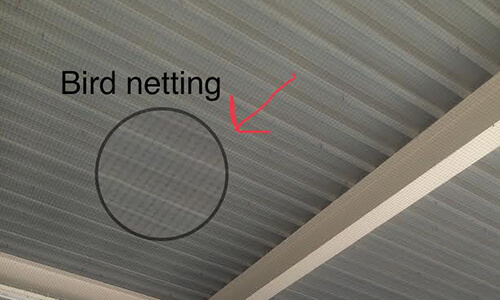
Productive pest control often incorporates chemical-free techniques that can fix or reduce pest troubles without introducing pesticides into the surroundings. Tangible obstacles such as screens, entry seals, and closing prevent pest access completely, addressing the problem at its root. Mechanical controls like catches and exclusion devices extract existing pests while avoiding further arrivals. Organic methods featuring helpful bugs and microbes introduce natural antagonists that focus on specific insects while leaving advantageous life forms protected. Cultural practices modify the conditions to deter organisms, such as modifying water timing to minimize humidity that attracts particular pests. Environment adjustment minimizes hiding places and feeding supplies, causing sites less hospitable to undesired visitors. For certain insects like bed bugs, thermal procedures offer exceptionally successful control without toxic remains by raising heat past the temperature killing level for all living cycles of the designated pest. Likewise, cold methods for stored goods creatures like grain insects or food storage pests can eradicate problems in edible products without chemical residue. These methods demonstrate notably important in New Jersey's varied settings, where proximity to water bodies, preserved wild areas, and heavy population areas creates many conditions where synthetic reduction turns desirable or necessary.
Eco-Conscious Pest Control Control Options
The pest control field maintains to evolve toward additional eco-conscious methods that maintain performance while minimizing environmental effect. Plant-based products obtained from botanical extracts like pyrethrum, neem oil, and aromatic oils deliver targeted management with minimized duration in the ecosystem. Microbial products including microorganisms, molds, or agents that focus on particular pest organisms offer accuracy that conventional universal pesticides are unable to compare to. Growth inhibitors that prevent pest breeding by disrupting with growth processes offer sustained community control without immediate toxic effects on fully-grown insects. Scent devices that watch or interfere with pest reproduction aid identify when control becomes necessary and can block mating in specific varieties. The industry progressively implements reduced-risk substances with small environmental effect, shifting away from traditional compounds with more extensive impacts on secondary organisms. Precision delivery equipment that decrease overall substance use apply services specifically where essential rather than broadcasting products over wide spaces. Eco-friendly qualification schemes for pest management firms establish standards for environmentally preferable care and give customers with distinct labeling of businesses dedicated to environmentally-friendly methods. In ecologically sensitive regions of New Jersey, featuring portions of Monmouth County with closeness to marine bodies, these green strategies are particularly useful for safeguarding both personal health and wild systems while still providing effective pest management.
Finding a Local Pest Control Service Provider in New Jersey
Capitol Exterminating System
272 NJ-34
Matawan, NJ 07747
(732) 441-1900
Often Requested Inquiries (FAQs) about Pest Control
How often should pest control be conducted?
For most New Jersey properties, four times yearly pest control supplies proper protection against recurring pest threats. This routine aligns with the region's unique times, each producing various pest challenges that demand proactive attention. Springtime applications typically tackle arising ant groups and overwintered creatures becoming active. Warm season treatments concentrate on mosquitoes, ticks, and various winged creatures that prosper in hotter conditions. Fall services ready properties for small mammals and surviving insects pursuing refuge as temperatures decrease. Cold season services maintain safeguarding against indoor insects while addressing small mammal problems at its highest. Though, this rate may rise for properties with certain hazard elements or ongoing issues that call for increased comprehensive control. Residences close to forested locations in Monmouth County may advantage from additional parasite and mosquito applications during high times. Homes with record of specific pest problems commonly call for specific secondary services above the standard every three months schedule. Industrial establishments, particularly restaurant preparation businesses in locations like Matawan, regularly require monthly service to preserve compliance with wellness requirements and prevent infestations that could damage reputation and trade functions.
Is specialist pest control safe for companions?
When executed appropriately, qualified pest control can be secure for companions through cautious chemical selection and usage techniques that minimize access. Today's directed employment techniques and safer materials have markedly upgraded wellness features compared to traditional pest control strategies. Modern services often apply formulations specifically engineered to have reduced danger to mammals while remaining efficient against intended pests with distinct biologies. Qualified technicians receive training in application approaches that put substances in spots companions are unable to reach, such as wall cavities, splits and gaps, or underneath appliances. Though, pets should be removed during treatment and until all services have solidified completely, following individual pause durations proposed by the material manufacturer and professional. Fish containers should be shielded and air pumps turned off throughout application to avoid pollution from floating particles. Pet objects containing sleeping areas, playthings, and food containers should be relocated or shielded throughout service. Address any questions with your pest control specialist, who can advise suitable pause periods according to the particular applications applied and modify approaches for residences with especially vulnerable animals like avians or reptiles that may have different physical weaknesses than felines and canines.
What are the evidence of a severe pest invasion?
Besides observable creatures directly, various warning symptoms suggest possibly serious issues needing immediate pest control action. Uncommon smells often arise with large infestations – musty, oily aromas may suggest small mammals, while pleasant, distinctive aromas at times follow German insect populations. Unknown building deterioration like drooping floors, blistering coating, or crumbling lumber may reveal termite presence or wood-boring ant problems ruining construction pieces. Unusual activity within walls or lofts, notably at night, regularly show small mammal activity as these evening organisms get lively in unseen locations. Abundant particles similar to fine debris near wooden components may really be excrement or feces from timber-damaging creatures. Some homes experience unknown medical issues like lung issues or irritation that disappear when absent from house, likely showing creature issues impacting interior atmosphere standard. In New Jersey homes, special care should be given to lower level and lower spaces where water issues can maintain pest groups, especially in aged residences throughout Monmouth County where structural splits and failing cement supply many entry spots. Encountering numerous expired creatures of the matching kind implies a greater population near, while oil signs along floor edges reveal developed rodent routes with ongoing traffic.
Can I eliminate creatures without pest control chemicals?
Absolutely, many organisms can be avoided through suitable hygiene, barrier methods, and living space adjustment without using chemical treatments. The base of chemical-free pest control starts with comprehensive barrier procedures – closing cracks, spaces, and holes that permit organisms to enter buildings in the first spot. Setting up door barriers, restoring deteriorated mesh, and sealing utility openings gets rid of common penetration locations. Taking away nutrition sources through suitable nutrition storage in sealed containers, fast cleaning of spills and fragments, and consistent waste collection significantly reduces magnets that pull creatures interior. Reducing dampness by repairing seeping plumbing, enhancing air movement in humid areas, and dealing with water removal troubles stops the fluid resources multiple organisms call for. Keeping a space region near structures by cutting plants, removing plant litter, and storing wood raised and apart from properties lowers shelter zones and penetration places. Applying tangible shields like metal material or metal fiber to seal larger holes delivers lasting prevention for small mammals and large mice. Regular cleaning that includes vacuuming fissures and spaces eliminates bug eggs and nutrition particles that maintain pest growth. For current infestations, though, some kind of control substance may be required to solve developed concerns, though multiple safer alternatives are obtainable such as diatomaceous earth, boric powder, and pest-killing detergents that supply reduced hazard against typical substances.
What should I anticipate throughout specialist pest control treatment?
A specialist pest control procedure generally begins with a thorough inspection to determine pest species, access places, and supporting situations adding to the trouble. The professional should invest time checking both interior and outside areas, giving focused attention to cooking areas, restrooms, cellars, and boundary bases where pest activity regularly focuses. Upon completing this inspection, the expert should describe their discoveries in detail and propose a procedure plan designed to your particular situation, reviewing both the target pests and the procedures planned for controlling them. You may be given arrangement guidelines before application, possibly including shifting items, removing specific spaces, or safeguarding animals. Throughout the procedure, the professional will employ suitable chemicals to designated areas according to the pest kinds identified, centering on cracks, crevices, and pest harborage spaces rather than distributing applications around whole spaces. They may position tracking systems like pest snares or attractant systems that support follow improvement and offer ongoing protection. After completing treatments, a expert should describe any after-service guidelines such as air movement standards, re-entry times, or surfaces to wipe. Before leaving, they should arrange additional visits if essential for especially difficult insects like sleeping pests or German cockroaches that typically demand numerous procedures for entire destruction. During this process, professionals should encourage concerns and offer understandable details about the substances and procedures applied, reflecting their instruction and pledge to both effectiveness and protection.
Effective pest control is an essential part of keeping healthy, harmless living and professional spaces in New Jersey. From the humid warm seasons that create mosquitoes and ticks to the chilly seasons when mice and rats seek shelter interior, pest problems stay a annual issue for inhabitants and companies in Monmouth County and Matawan. By understanding frequent pests, implementing precautionary actions, and understanding when to seek qualified help, structure owners can defend their properties and the safety of inhabitants.
Implementing a anticipatory approach to pest control is always increasingly productive and budget-friendly than reacting to established invasions. Frequent examinations, proper maintenance, and tackling little problems before they worsen can prevent the considerable charges and interruptions linked with serious pest problems. When qualified assistance grows needed, picking a reliable, certified pest control provider who utilizes integrated pest management principles provides effective achievements with minimal natural impact.